If you manage a retail shop, office tower, or small warehouse in Orlando and you face a high-security lockout, this piece is written for your immediate needs. I have worked on commercial locks that range from simple deadbolts to electronic access systems, and the tactics are different for each scenario. You will find concrete examples, estimates, and decisions that teams make on site, with attention to minimizing downtime and preserving evidence.
When a lockout becomes "high-security" for an Orlando locksmith.
High-security locks are designed to resist common attacks and require special tools or authorization to service. These systems often include a combination of mechanical and electronic elements that complicate both diagnosis and non-destructive entry. The extra steps are annoying in the moment but are meant to protect the business and maintain compliance with key control policies.
Calling a 24 hour locksmith Orlando: the right questions to ask.
Start with the address, a contact number, and whether the door is metal, wood, or an electronic gate, plus any brand names visible on the hardware. A copy of an ID badge, a lease agreement, or a signed letter on company letterhead will usually suffice in a commercial setting. If it is a mechanical seize or an electronic glitch, the locksmith will prioritize non-destructive entry methods and on-site diagnostics.
How technicians equip a truck for high-security situations.
A qualified commercial locksmith carries both mechanical and electronic diagnostic tools, several cylinder types, and manufacturer code devices when permitted. When https://keyrescueargu484.trexgame.net/rapid-orlando-locksmith-for-car-emergency-ignition-repair a job requires drilling the lock, experienced techs isolate the cylinder to avoid damaging the door frame or electronic components. If a drill-out or full replacement is necessary, factor in additional labor for rekeying or reprogramming after parts arrive.
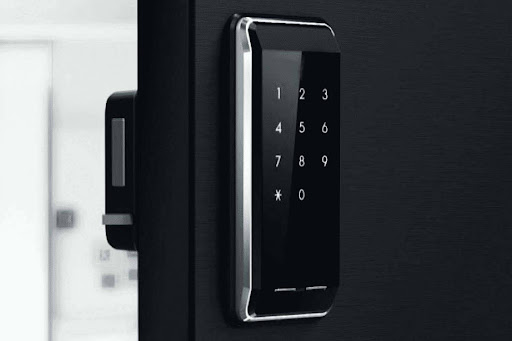

On-site decision points: repair, bypass, or replace.
If a bypass method exists that keeps the original key control intact, that is usually preferred to maintain security policy and avoid long supply chains. Temporary fixes might include installing a standard cylinder with supervised access or adding a secondary lock that allows controlled entry until the correct part is available. Full replacement becomes the right call when the lock is visibly damaged, the restricted key cannot be produced, or manufacturer policy requires a new serialized component for security reasons.
What to expect on price and timing from an emergency locksmith in Orlando.
For a same-day emergency call from a 24 hour locksmith, expect a base service fee plus hourly labor, with after-hours premiums if it is late at night or a holiday. Electronic access controller repairs or credential programming can add several hundred dollars for labor plus any replacement readers or controllers that must be ordered. A trustworthy contractor will outline variables and offer options rather than presenting a single ambiguous price.
Real-world examples from Orlando jobs I have seen.
In that case the client elected a factory-serialized replacement the next day to maintain the restricted key system and avoid changing every key holder. Here the trade-off was between immediate business continuity and the administrative work to clean up credentials later. A third business tried a cheaper non-certified locksmith and ended up with an incompatible cylinder that fit but did not match the key control policy, forcing rework and added expense.
Credentials, insurance, and red flags when hiring an emergency locksmith.
A reputable Orlando locksmith will provide a business name, vehicle markings, and a clear invoice that lists work performed and parts used. Request a written receipt and model numbers for any parts replaced; this helps with audits or warranty actions later. When in doubt, pause and confirm authorization with a manager rather than letting someone proceed on an ambiguous verbal okay.
Checklist for rebuilding control after an emergency entry.
Document every change with dates, serial numbers, and the names of authorized personnel. Update keyholder logs, decommission lost badges immediately, and consider issuing temporary passes with expiration for contractors or one-time visitors. A little preparation reduces the need for emergency interventions and keeps operations moving.
Who needs to know and when.
If the lockout follows a break-in, or if you find signs of forced entry, call law enforcement before you touch the lock or the scene. For multi-tenant buildings, notify property management so they can record the incident and coordinate common-area security changes. A clear chain of communication prevents duplicate work and reduces liability when contractors and tenants share infrastructure.
Design choices that minimize emergency disruption.
A sensible lifecycle plan for locks, readers, and controllers avoids surprises when parts reach end of support. For many businesses the modest annual cost of enrollment offsets the expense and downtime of ad hoc replacements. Long-term vendor relationships buy you negotiated response times and predictable pricing, and they create institutional memory about your systems.
Final practical checklist and quick reminders for a business facing a high-security lockout.
Call the designated locksmith or dispatch number first, then notify building management and your on-call manager. Confirm whether the locksmith is certified for your brand and ask for written confirmation of warranty on any parts and labor. When the job is complete, update records, revoke temporary credentials, and schedule the permanent fixes that were deferred.
If you prefer, I can outline the specific documentation to demand for patented-key cylinders or prepare a sample vendor contract clause about parts and warranties.