If you found yourself locked out with no spare key anywhere in Orlando, consider this a steady hand and a clear plan. The advice comes from years of working with emergency locksmiths and from watching what helps most when every minute matters. You will find concrete steps, realistic timelines, and ways to choose an honest Orlando locksmith for car lost key solutions so you can move from stuck to driving again.
First checklist for a lost car key
Spend sixty seconds to gather three facts: make and model year, whether the vehicle uses a fob or a traditional key, and whether you have access to your registration or VIN. A modern key fob with transponder chip is different from a simple metal key, and the difference matters for response time and cost. Avoid destructive methods that create additional bills, because non-destructive entry is commonly available from competent emergency locksmiths.
How night calls change the equation
Emergency locksmith availability means someone comes to you, but that convenience often costs more than an appointment made during business hours. Mobile technicians carry cutting and programming equipment in vans, and that mobility reduces the need to tow the car to a dealership. Older cars with mechanical ignition cylinders generally cost less and take less time than cars that require dealer-level security programming.
Understanding key types and what they cost
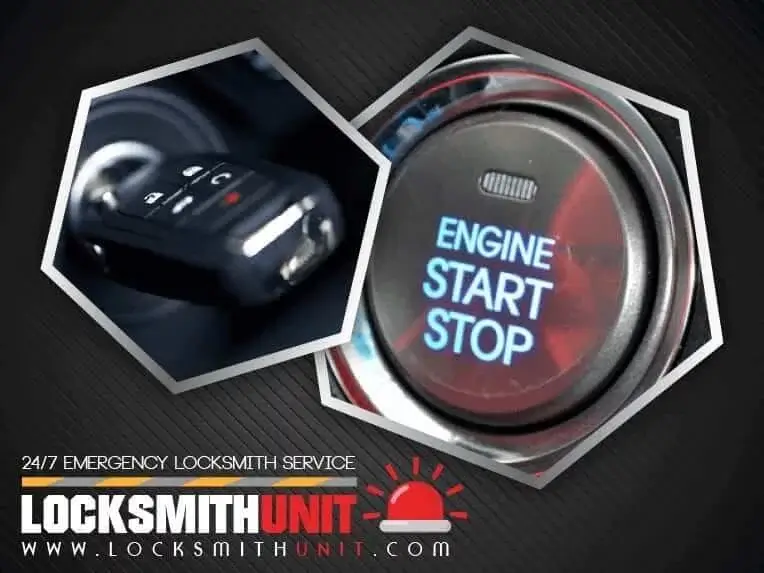
Not all keys are equal, and identifying the key type is the single most useful thing you can do before a locksmith arrives. Simple metal keys often fall in the lower price band since they need only cutting and minor fitting, typically under one hundred dollars in most cases. Programming a transponder key often costs in the low to mid hundreds, depending on your car make and the locksmith's equipment. High-end systems that include push-button start and smart pairing will usually be the most expensive and may take the longest to source and program.
Step-by-step of a typical on-site recovery
Good locksmiths will ask to see registration or proof of ownership and will log the job before they touch locks or keys. After identity verification, the technician will decode the lock or consult the vehicle data to determine the correct blank and programming protocol. A final check of remote functions and a quick drive or start test is standard to confirm full restoration. If the lock cylinder is damaged, a competent pro will offer a rekey or cylinder replacement on site and explain the trade-offs.
Practical red flags and solid signposts
Clear answering, a named technician, and a real arrival time are better than vague promises and unclear pricing. A short conversation about make, model year, and key type reveals whether the tech can complete the job at the scene. Get a written estimate before work begins and insist on an itemized receipt showing parts, labor, and any callout fee, because transparency avoids disputes. If a provider resists giving a legal business name or a receipt, find another option and avoid the risk.
Realistic timeframes and cost drivers
A basic on-site cut and test for an older vehicle is compact in both time and price, and most reputable locksmiths finish quickly. Transponder key jobs usually take thirty minutes to one hour and often land in the one hundred to three hundred dollar range, depending on parts and programming complexity. High-security systems often require additional steps and possibly ordering OEM parts, which lengthens turnaround and increases cost. Most emergency locksmiths charge a flat arrival fee plus labor and parts, and transparent shops list these charges before work begins.
Safety and consumer protections
A legitimate company will accept card or cash and provide documentation; a refusal to issue a receipt is a significant warning sign. Ask which specific dealer tool or protocol is required and why the technician cannot complete the task on site, and get a written explanation if they persist. A quick photo of the van signage and the technician's work badge can deter bad actors and form part of any complaint.
Simple redundancies that save hours later
Carry a spare key in a secure place off your person, and test that backup periodically to avoid surprises when you need it most. Consider investing in a cheap mechanical backup key even if you use a fob, because that blade can allow entry or enable towing without electronics. Label your spare key with a vague tag rather than obvious wording that invites theft, and rotate where you store it periodically to stay secure.
Essential info to have on hand
A clear photo of registration and the VIN speeds the technician's job and proves ownership if the physical document is hard to reach. Pre-screened contacts are the fastest route out of a roadside hold-up. A short paper note with a spare key hint and emergency contacts is low-tech but reliable in power-loss scenarios.
Decision points to resolve so your call is efficient
A short mental checklist simplifies the call and steers the locksmith to https://blogfreely.net/derneszffp/emergency-24-hour-locksmith-orlando-for-motor-trunk-and-glove-box-lockouts bring the right equipment. Having documentation ready makes the job faster and smoother. Ask for an arrival window, a full price estimate including callout, and the technician's name, because those three things make service accountable and visible.
Trade-offs between speed, price, and long-term value
A very low-priced emergency quote often sacrifices quality, while a seasoned locksmith brings judgment that prevents downstream failures. Sometimes the extra arrival fee equals the value of having someone present and able to finish the job the same hour. Reserve dealer service for official recalls, warranty issues, or cars with manufacturer-only authentication requirements, and use local pros for everything else.
A real moment that explains what to expect
I once watched a van show up with the wrong equipment and leave the customer facing a tow, and then a properly equipped tech arrived and finished the job in twenty minutes. Real-world incidents like this show why the extra minute to ask the right questions is worth it. Practical choices before the call and clear verification once the tech arrives turn an emergency into a short story rather than an expensive ordeal.
A calm, informed approach reduces cost and stress, and the right technician finishes the job without drama.