If you find yourself on the wrong side of a stubborn deadbolt while rain thumps a rhythm on the stoop, relief is possible. This piece is about calling a Quick 24 hour locksmith for home door jamming and lockouts, and it collects practical experience rather than theory. I will share clear actions, expected timeframes, and the questions that will help you choose a reliable technician when a cylinder or latch refuses to cooperate.
Quick checks that tell you whether to wait for a technician
If you can see the latch but the deadbolt will not turn, odds are you should call a professional rather than force the lock. Trying to jimmy a lock with household tools often makes the problem worse, and that can push a simple repair into a costly full replacement. When safety or weather is a factor, choose a 24 hour locksmith who will respond promptly; when you have time to shop around, use reviews and local recommendations.
What to expect when a locksmith arrives at night
The first thing a trained locksmith does is assess the mechanism and the door rather than immediately picking the lock. Often the visible issue is alignment, and the locksmith will show you how a misaligned strike plate or door sag can make a perfectly good lock refuse to operate. For a snapped key the locksmith will first extract remaining fragments, and then either re-key the existing cylinder or replace it depending on damage and your preference.
What emergency service calls usually cost in Orlando
A typical after-hours call will include a callout fee plus the time needed to fix the problem, and that callout fee often makes up 20 to 40 percent of the total cost. For a standard lockout where no lock must be replaced, total costs can range from a modest callout plus a short labor charge to more if the lock resists opening. Parts like new cylinders or deadbolts carry their own cost and quality differences, so confirm what is being installed and whether it meets your security needs.
Red flags that should make you hang up and call someone else
Before anyone works on your door ask for a firm price breakdown, the name of the person coming, and whether they are local or a subcontractor. A push to work immediately for cash, or aggressive upsells once the door is open, are warning signs that you should avoid that provider. Legitimate locksmiths will often ask a few verifying questions about the property to confirm you are the owner or occupant; that balance https://homelockvjql682.theburnward.com/24-7-car-locksmith-orlando between identity verification and urgent help is routine.
Non-destructive entry methods explained
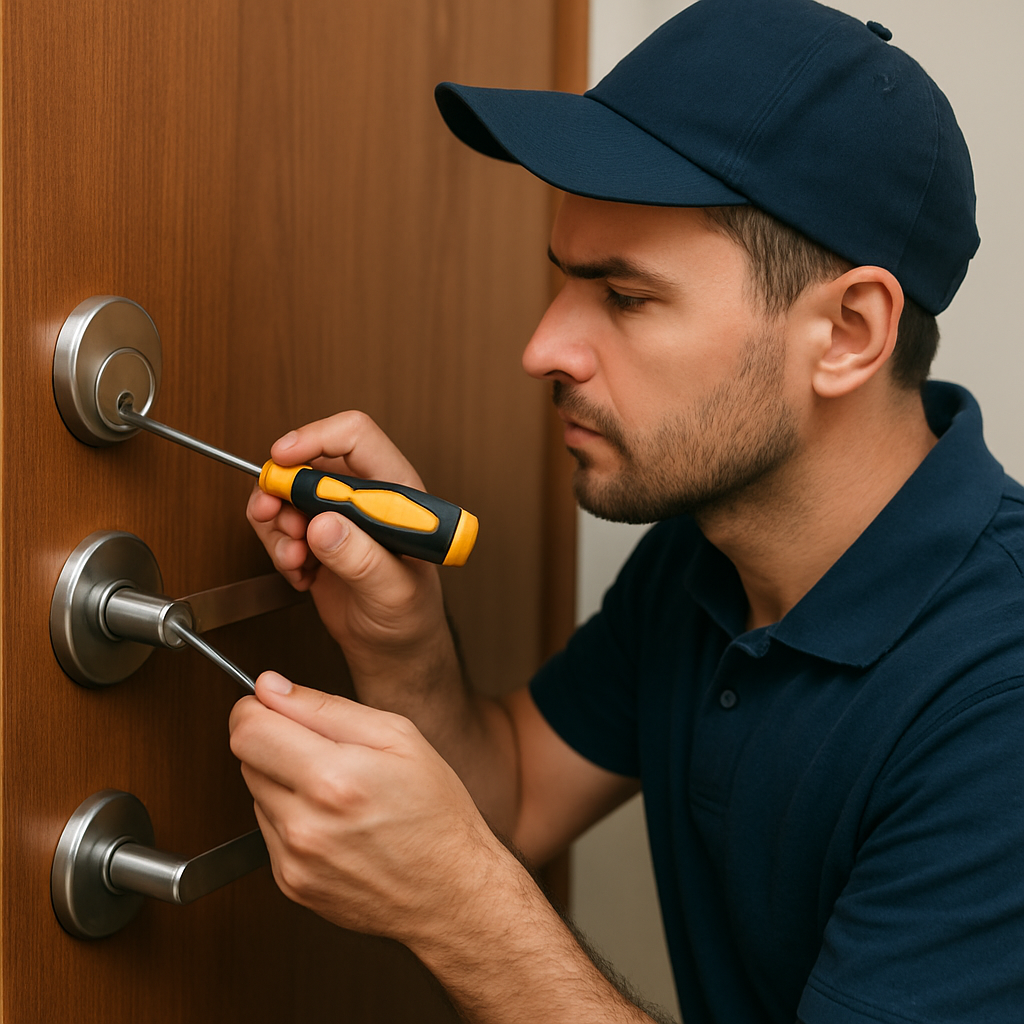
Skilled locksmiths favor non-destructive techniques like pick sets, bypass tools, and safe tensioning rather than brute force. There are legitimate reasons to move to destructive methods, such as a cracked cylinder or internal shear that prevents bypass, and the technician should explain why that route is necessary. Clarify the sequence of actions and authorize the level of intervention you are comfortable with before work begins.
Common scenarios I have seen on real calls
I recall a rainy evening when a tenant jammed a deadbolt by forcing a grocery bag into the door trim, and the fix required realigning the frame rather than changing the lock. A common pattern is panic-driven damage that escalates costs, and the best intervention is a calm call to a qualified technician who can explain options. The takeaway from several nights on call is that restraint and a proper assessment beat improvised force, and that technicians who communicate clearly reduce surprises.
Practical steps to avoid repeated emergency calls
A keypad or smart lock with an external power backup reduces the chance of lockout, and pairing that with mechanical override provides redundancy. Seasonal checks for swelling, loose screws, and strike plate alignment stop many small problems from becoming emergencies. Leave a spare with a trusted neighbor or use a coded lockbox if you need remote access, and avoid obvious hiding places that are easy to compromise.
What to ask about lock grades and warranties
Upgrade to grade 1 or 2 hardware on main entries if security or frequent use justify the extra expense. Good installation details matter more than cosmetic trim, and a reputable locksmith will prioritize structural reinforcement. A clear written warranty on parts and service protects you if a newly installed cylinder fails prematurely or if the technician's work leads to issues.
Nighttime safety while you wait for help
While awaiting help, stay in a safe, dry area and let someone know your location and expected arrival time of the technician. If someone unexpected arrives claiming to be a locksmith, ask to see ID and a written estimate before they touch your lock. A readable house number and a charged phone cut response time and reduce the chance of the technician running late or missing the house.
Making the right long-term choice for security and budget
Rekeying is efficient when the hardware is intact and you only need new keys for security reasons, and it is cheaper than a new lock. A replacement makes sense if wear, multiple failed repairs, or a forced entry compromised the lock's integrity. Choose the path that aligns with your budget, risk tolerance, and plans for the property rather than the quickest fix alone.
Remember the essentials: confirm the technician's identity and costs, insist on non-destructive attempts before destructive ones, and take warranties and part specifics in writing. A steady, informed call for help and a technician who explains options will keep the bill reasonable and the door secure. A little preparation now shortens response time later, so note the key facts the locksmith will ask for and have them ready during an emergency call.