If you typed Fast response locksmith into a search box you probably want someone who arrives quickly and fixes the problem right away. Below I share common scenarios, realistic costs, and step-by-step advice so you can make fast decisions under pressure. You will find concrete numbers, trade-offs, and a simple routine to follow when you need a locksmith right away.
What to expect from a rapid on-call locksmith
People expect a fast response locksmith to cover everything from a locked car to a broken commercial cylinder. Most trustworthy technicians also carry electronic door hardware parts, basic safe tools, and a selection of deadbolts for same-day installation. There are limits though; specialized safe opening, complex high-security systems, and major commercial door hardware often require scheduled service.
How response time is defined and what realistic arrival windows look like
Realistic arrival windows are typically 20 to 60 minutes in urban areas and longer during rush hours or severe weather. When I dispatch technicians I give the caller a 15 to 45 minute window, then update them if traffic or a previous call delays us. If time is critical ask whether multiple techs can be dispatched or whether the business has a central dispatch monitor to reroute the nearest van.
What gets done on the first visit and how long the technician will need
Expect a simple vehicle entry to run 10 to 30 minutes depending on model and whether the keys are locked inside with the engine running. Rekeying multiple locks in a house can take 1 to 3 hours depending on the door count and whether master-keying is requested. When a technician flags concealed wiring or an integrated access control module, expect scheduling for parts and electrical coordination.
What a fair price looks like and how to spot inflated locksmith cost quotes
You should see a breakdown rather than a single opaque number, because transparency reduces surprises. Car entries are commonly $75 to $200 depending on the vehicle and whether non-destructive methods work; late-night calls trend toward the higher end. I typically tell customers to get a written estimate or at least a clear verbal breakdown and to insist that any extra parts be approved before installation.
Red flags that mean you should hang up and call someone else
If the person on the phone refuses to provide a price range or demands payment before seeing the job that is a clear red flag. I have encountered operators who change the price after arrival and pressure customers to accept an inflated rate; insist on a receipt. Ask whether a non-destructive entry is possible and request evidence of experience with your vehicle or lock type.
What to ask the dispatcher before the locksmith arrives
Ask directly about arrival time, flat fees, expected total range, payment methods, and whether the tech can provide ID. If you have a late model vehicle ask whether the locksmith has compatible electronic entry tools and judge their confidence by the level of detail they provide. I always tell customers to text a photo of the damaged lock or the vehicle dashboard when possible, it speeds diagnosis.

When to choose a local locksmith versus a big national chain
Local independent locksmiths often provide faster arrival and personalized service because they know the neighborhood and keep their vans stocked for common local needs. Chains and franchise operators sometimes have more formal guarantees, insurance, and charge card processing at all hours, which can be reassuring during high-stress calls. For new cars https://lockproscsjx711.lowescouponn.com/rapid-orlando-locksmith-for-commercial-weekend-emergencies with complex electronics a larger shop with certified auto locksmith tools can be worth the extra cost.
How to prepare ahead so a locksmith visit is cheaper and faster
A spare key hidden correctly or kept with someone nearby saves the typical $75 to $200 emergency fee and the stress of a late-night lockout. If you want uniform keys across a property ask the locksmith about master-keying during the first service, it adds convenience and can be done on a single follow-up visit. Keeping a slim spare key in a magnetic case attached to the underside of your vehicle or in a waterproof pouch with a friend reduces emergency calls.
Smart locks, rekeys, and security upgrades - what to choose next
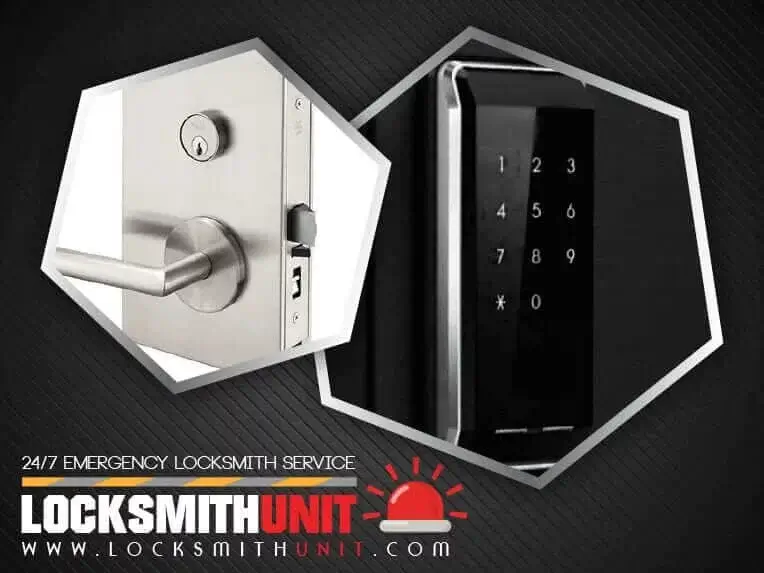
After an emergency it is tempting to replace everything immediately, but rekeying is often a faster and more cost-effective step. Smart locks add convenience, but they introduce new failure modes such as battery loss, firmware issues, and unsupported integrations that require specialist service. A grade 1 or heavy-duty commercial cylinder resists wear and reduces the chance of emergency repairs over time.
Short stories that teach what to expect during emergency locksmith visits
I pulled the broken half out with precision extractors in under 20 minutes and rekeyed the cylinder so a single new key worked for both deadbolt and knob. We replaced the faulty lock with a weather-rated deadbolt and cut two extra keys, and the parent avoided future lockout episodes by leaving one spare with a neighbor. On a commercial job I encountered a panic bar that failed because the building had settled and the frame was misaligned; installing a new exit device without addressing the frame would have caused repeated failures.
How to keep records and when to follow up after a locksmith visit
Always ask for an itemized receipt that states the technician's name, the parts used, and any labor warranty offered. Mark the warranty expiry in your calendar and schedule a quick inspection if you notice unusual wear or difficulty turning the key. A responsible locksmith stands behind their work and will correct installation issues identified within the warranty window.
A compact three-step routine for emergency locksmith calls
This small step often shortens the job and prevents surprises on arrival. Ask for an estimated arrival window, a clear price range, and whether the technician accepts card payment and provides an invoice. Meeting the technician at the door and verifying their ID keeps the interaction smooth and secure.
After hundreds of calls the patterns clear: transparency, credentials, and clear communication separate reliable locksmiths from the risky ones. Experience shows the best value is often the technician who communicates clearly, arrives within a reasonable window, and finishes the job without shortcuts.